
Our story
A tea room built around one honest cup
Mitti means earth. The name is a reminder of where our cups come from, and of the leaves that grow in the hills to the north.
Our story
How it started
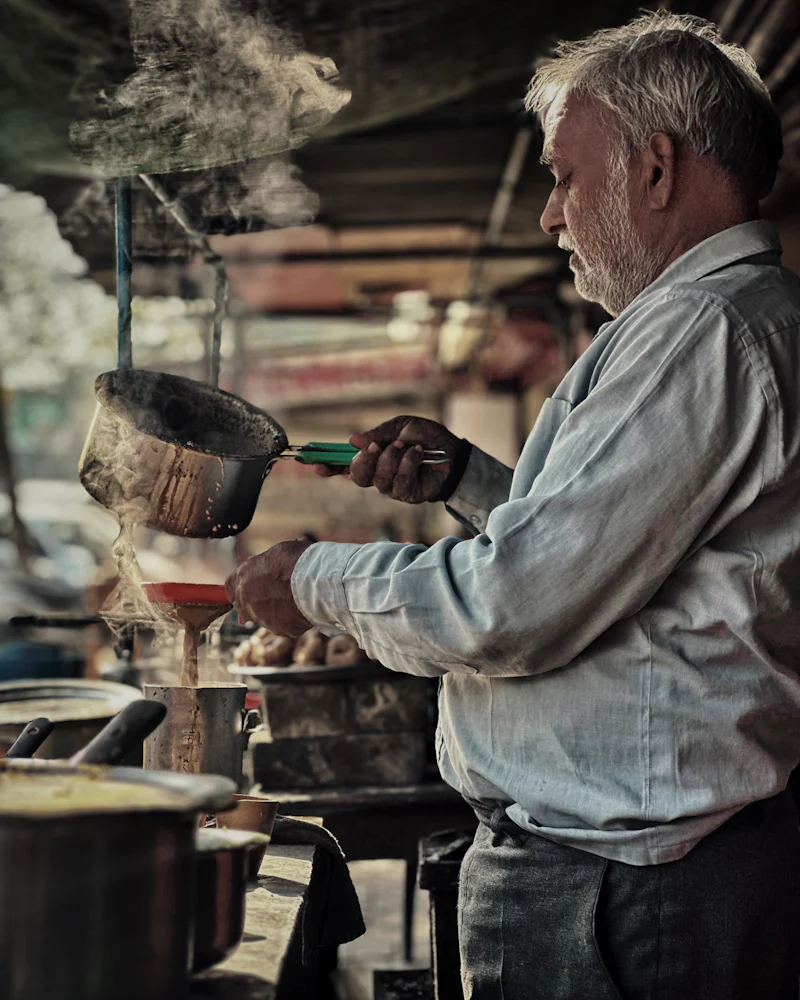
Mitti & Leaf began with a simple question: why does chai from a roadside stall often taste better than tea in a café? The answer, we found, was care in small things — fresh milk, a patient simmer and a cup that adds to the taste.
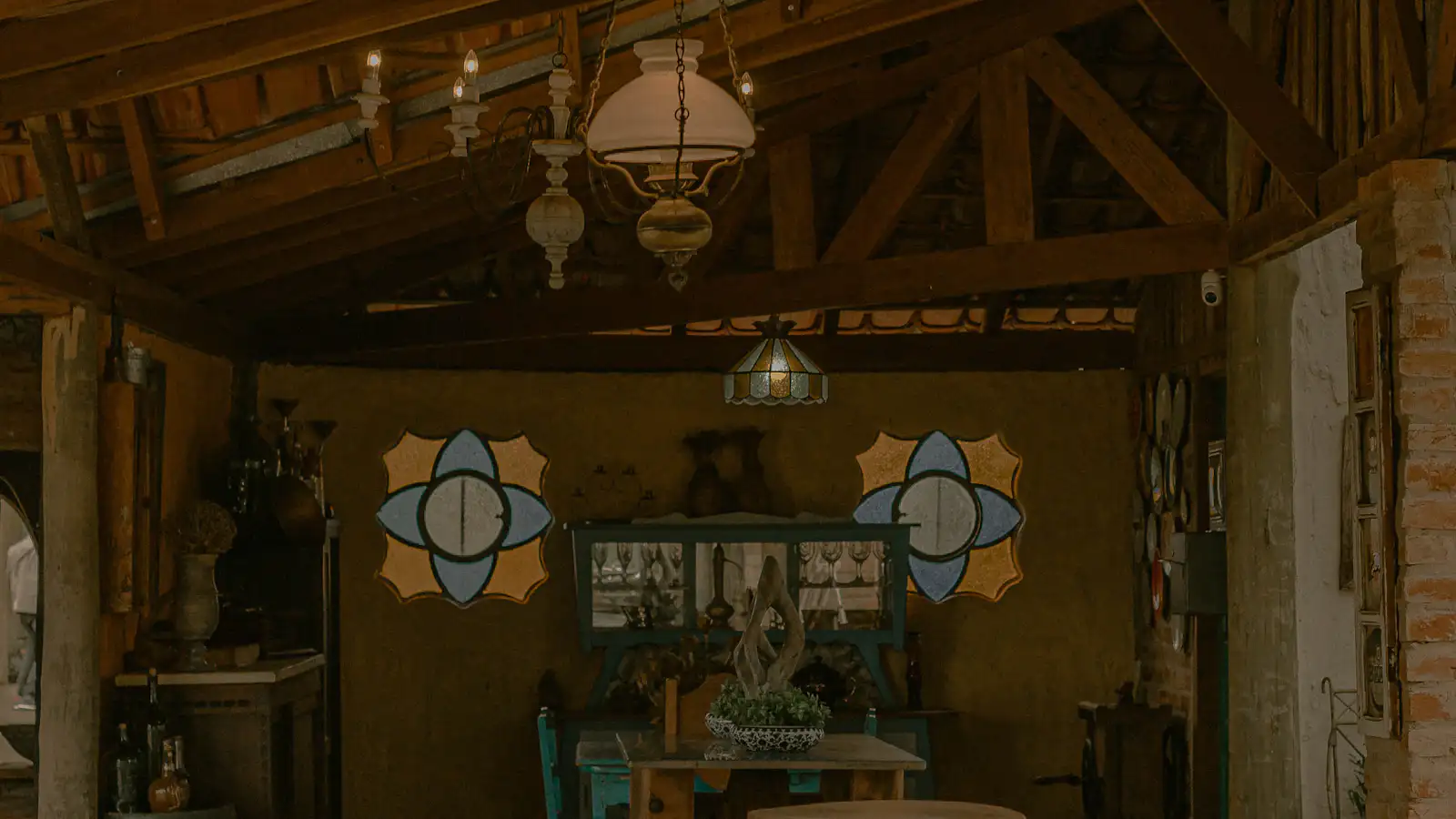
So we built a small room around those things. There is one long counter, a few wooden tables and a kettle that rarely rests. The menu is short on purpose, so the people behind the counter can give every cup their full attention.
Our guests speak Bengali, Hindi and English, often at the same table. This website is in all three languages for the same reason: everyone should be able to read the menu in the language they think in.
What we care about
- 01
Earth
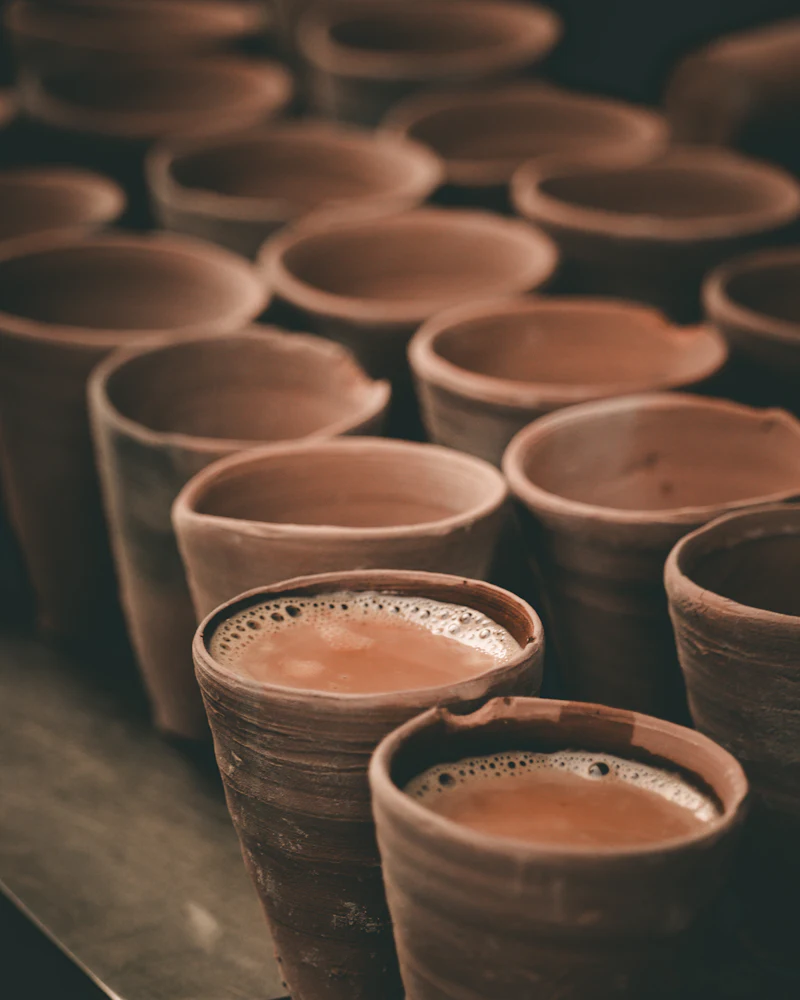
Clay kulhars from potters in the city. They are unglazed, used once and return to the soil.
- 02
Leaf
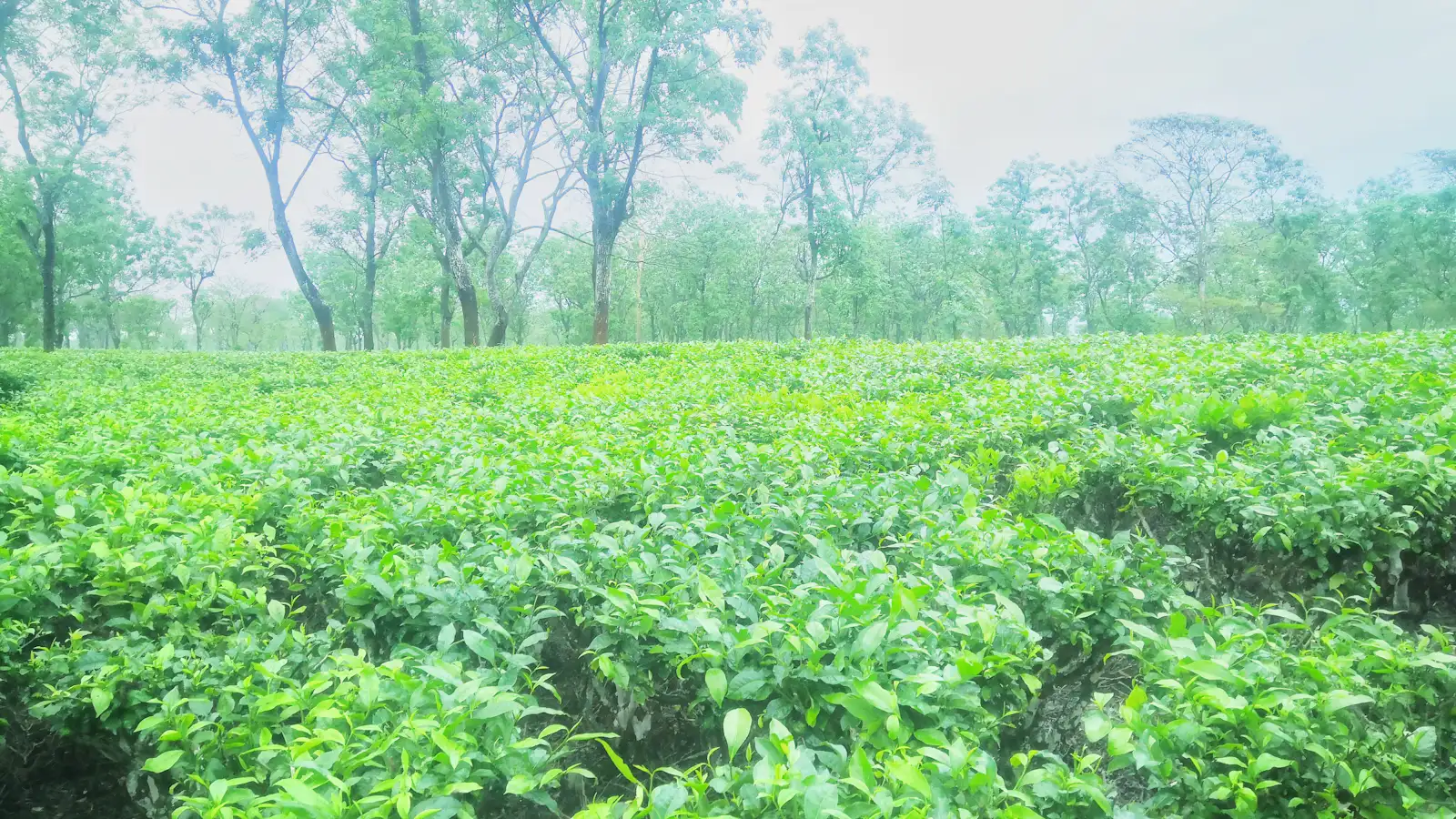
Teas from gardens in Darjeeling, the Dooars and Assam, bought in small lots so they stay fresh.
- 03
Neighbourhood
Everyday prices, room to sit, and a welcome in whichever language you speak.
From leaf to kulhar
- 1
Simmer
Leaves, water and whole spices are brought to a slow boil.
- 2
Pour
Fresh milk goes in, and the chai is poured from a height to give it a light froth.
- 3
Serve
Straight into a clay kulhar, while it is still too hot to rush.
Around the tea room

Photography
Photos on this site are by these photographers on Unsplash: AJOY DAS, Harsh Pandey, Prasoon Srivastav, blackieshoot, Mae Mu, kabir cheema, Sadia Alam, Shoeib Abolhassani, Harshit Mahabale, Laura Oliveira, Alan, Tutu, Boudhayan Bardhan.